The "Prompt Engineering" gold rush is over.
Here is what businesses are actually paying for right now...
How I Force ChatGPT & Claude to Stop Hallucinating, Stop Forgetting My Rules, and Start Printing Money.
Everyone is complaining that ChatGPT or Claude is getting "lazy" or ignoring their instructions. The truth? You aren't doing anything wrong. You're just using suggestions instead of hard rules.
I built a proprietary AI tool, that writes the hard rules for you, along with a step-by-step course where I explain and teach you everything you have to know about hard rules architecture. You copy, you paste, and boom,
You have a flawless Custom GPT, or a Claude Custom Skill that businesses will gladly pay $1,500+ for.
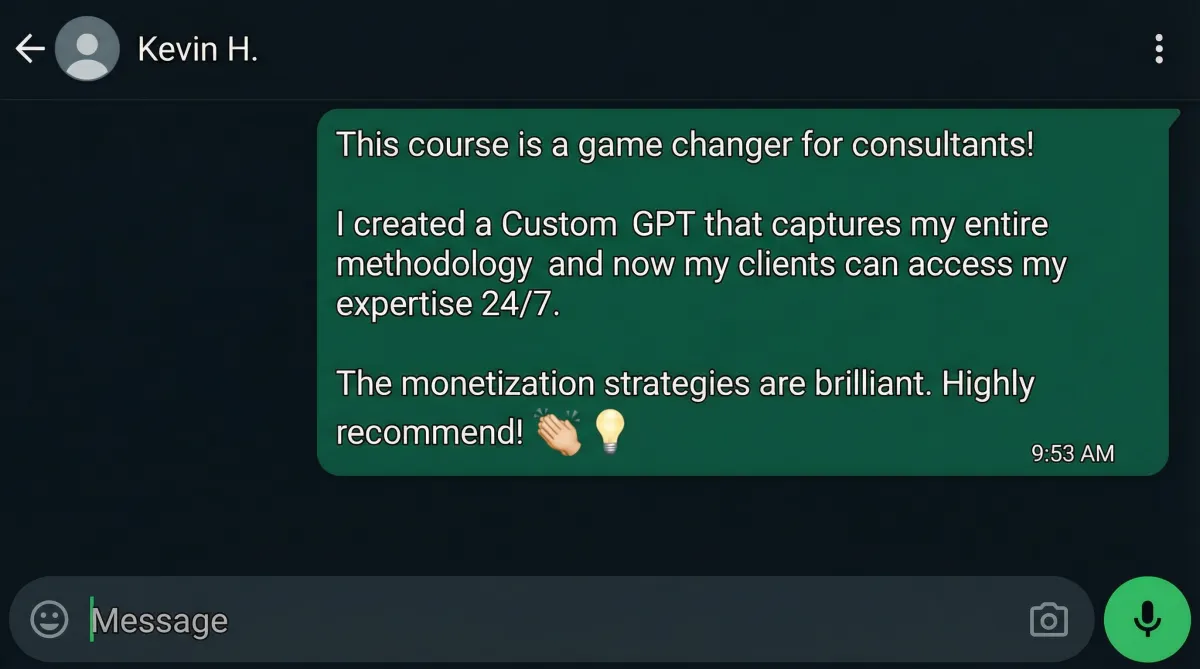
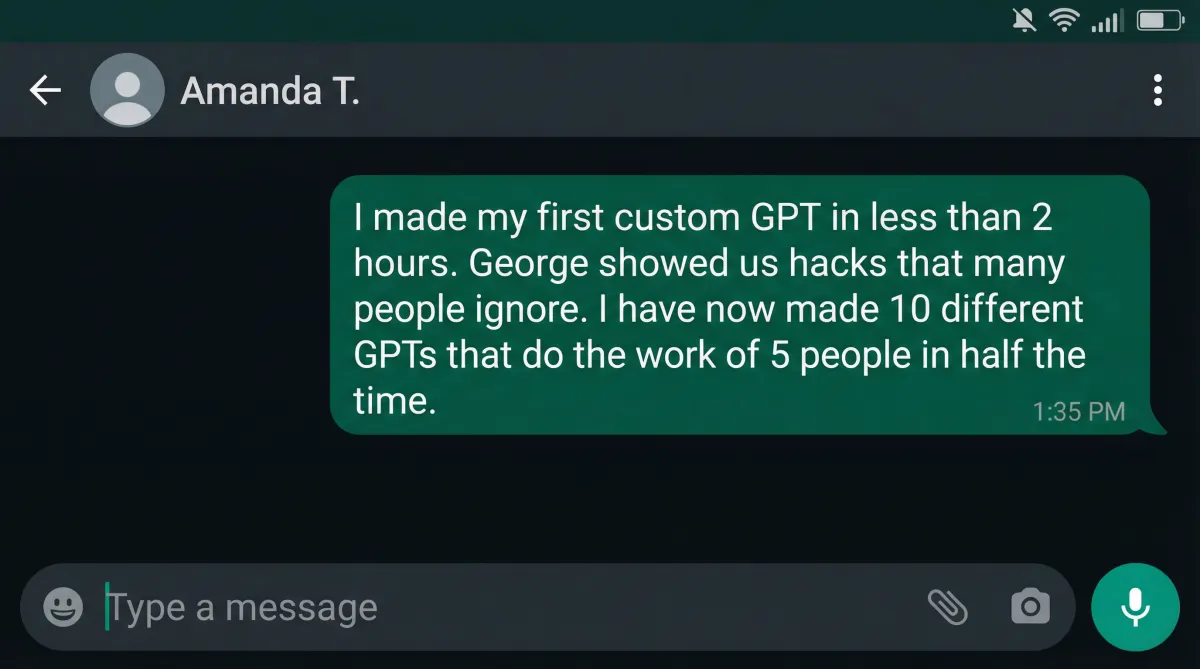
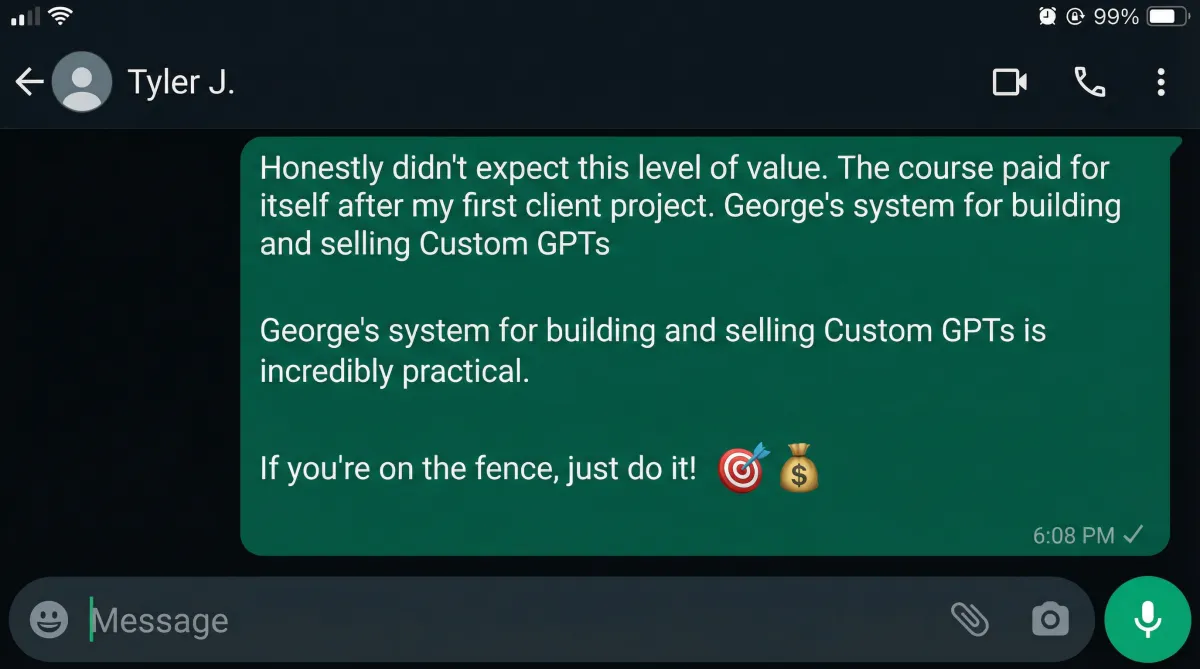
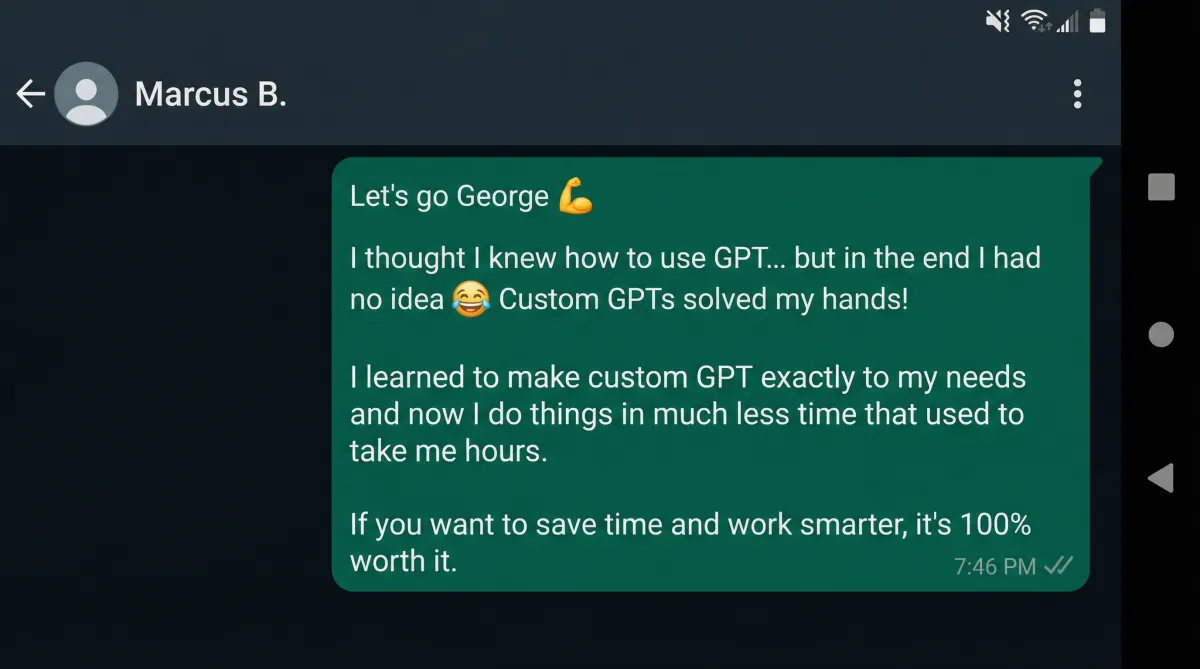
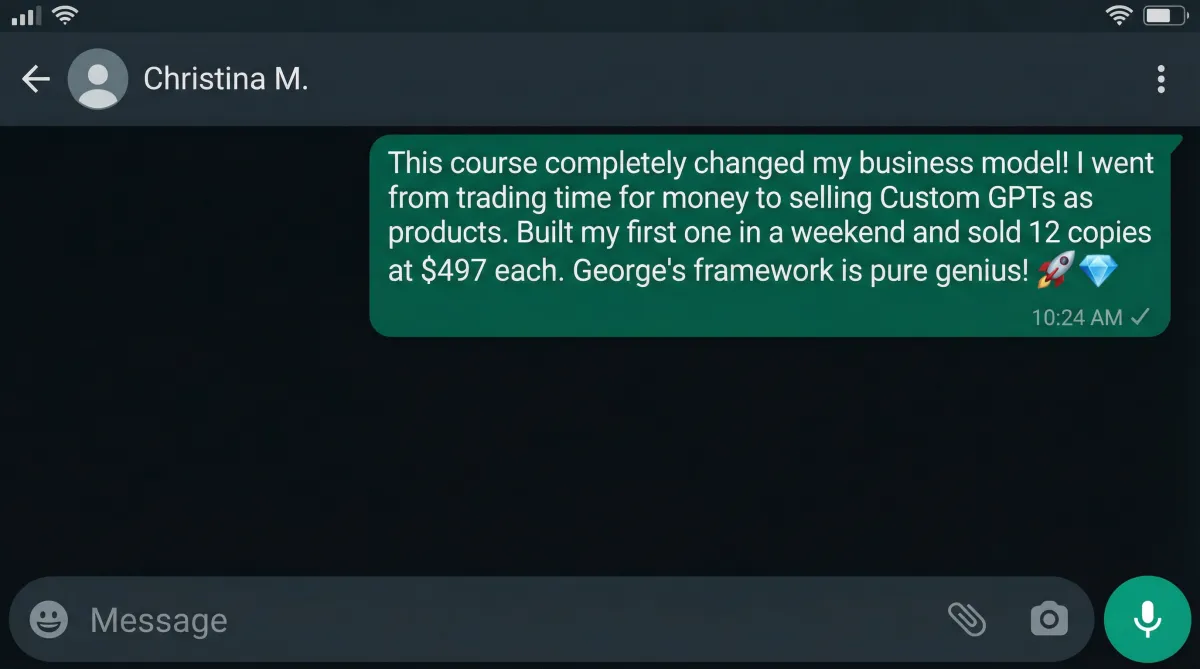
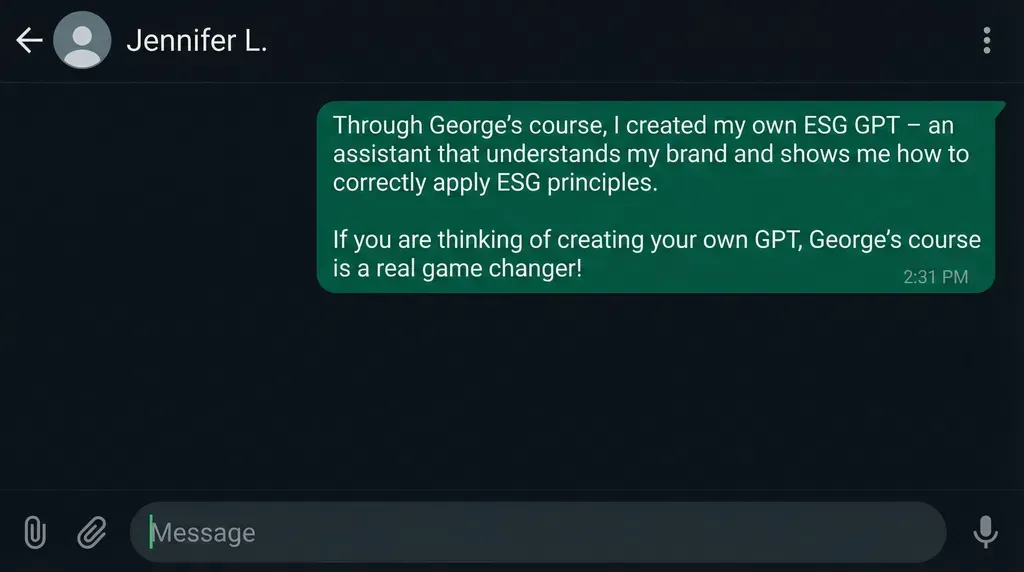
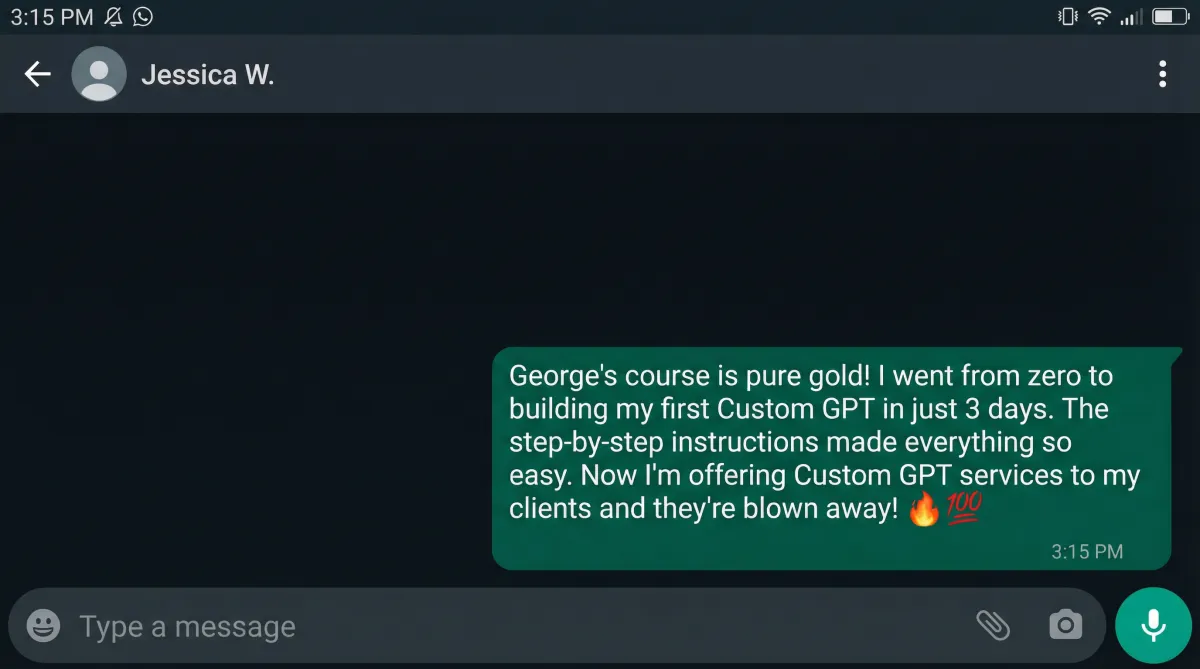
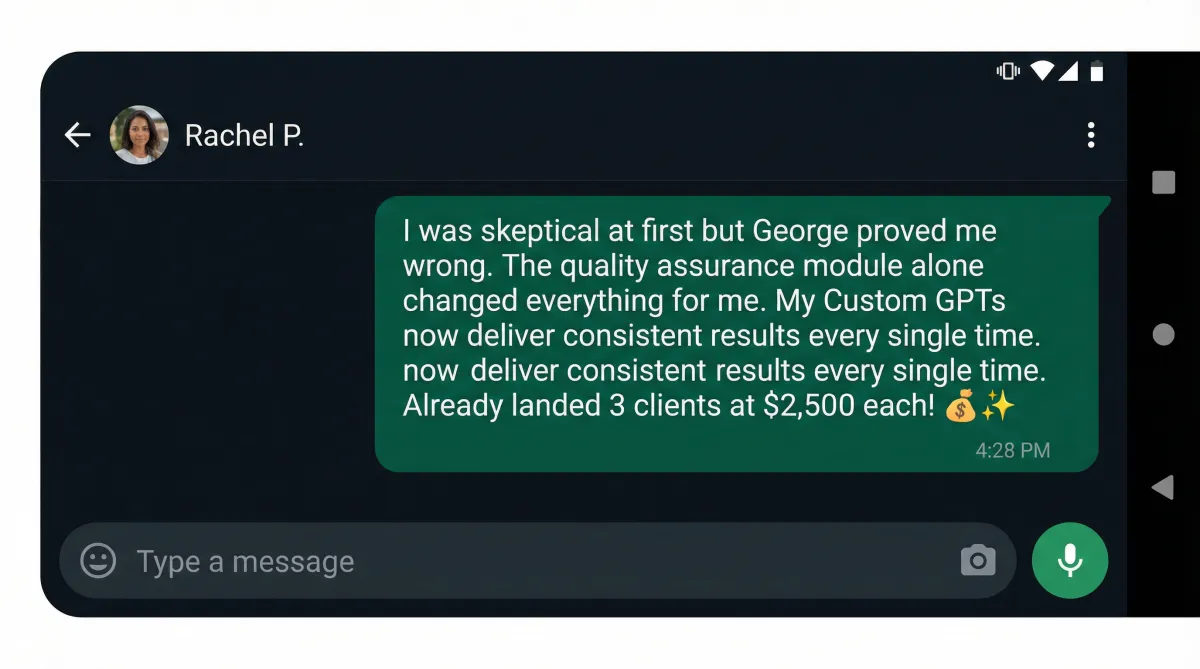
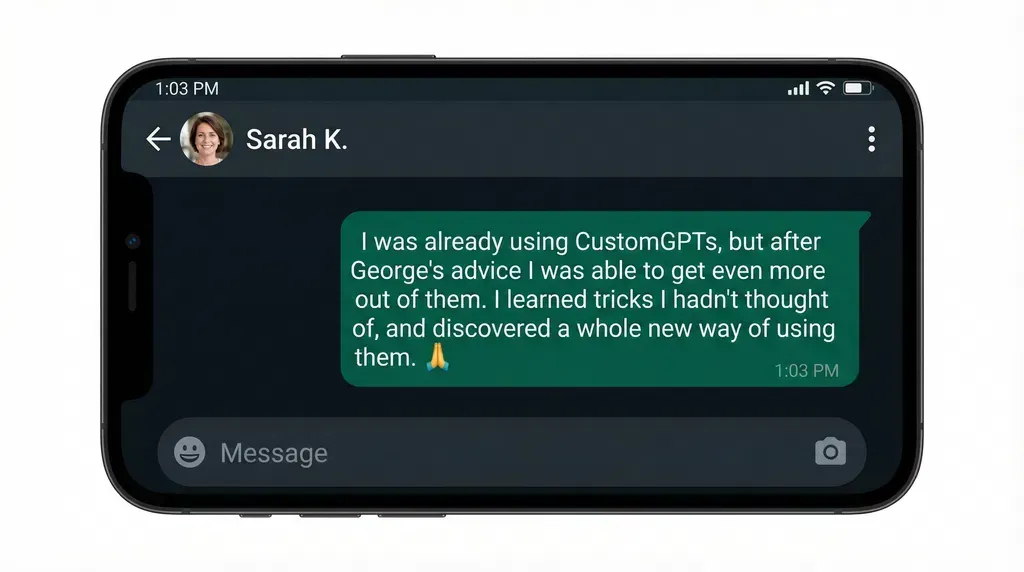
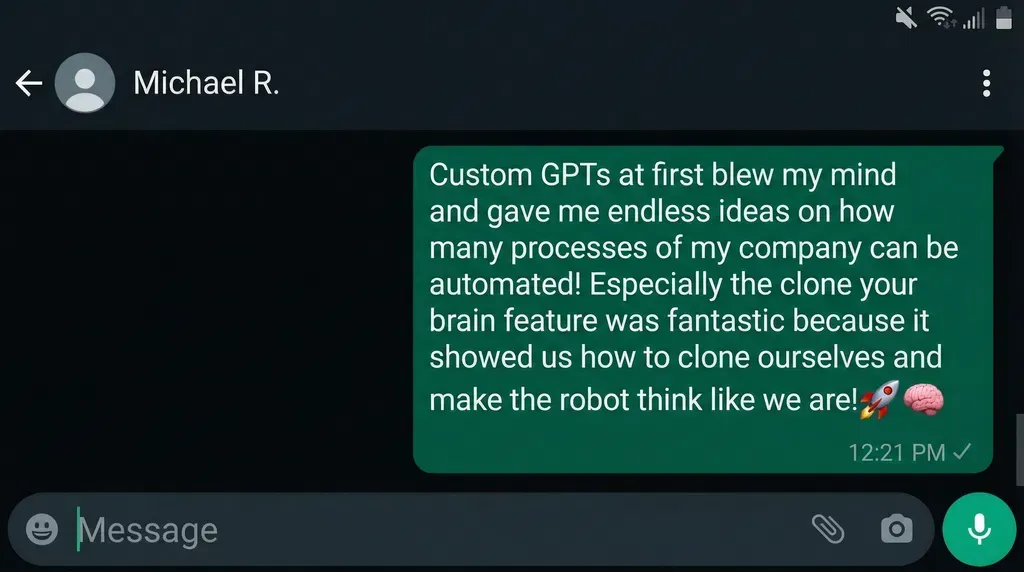
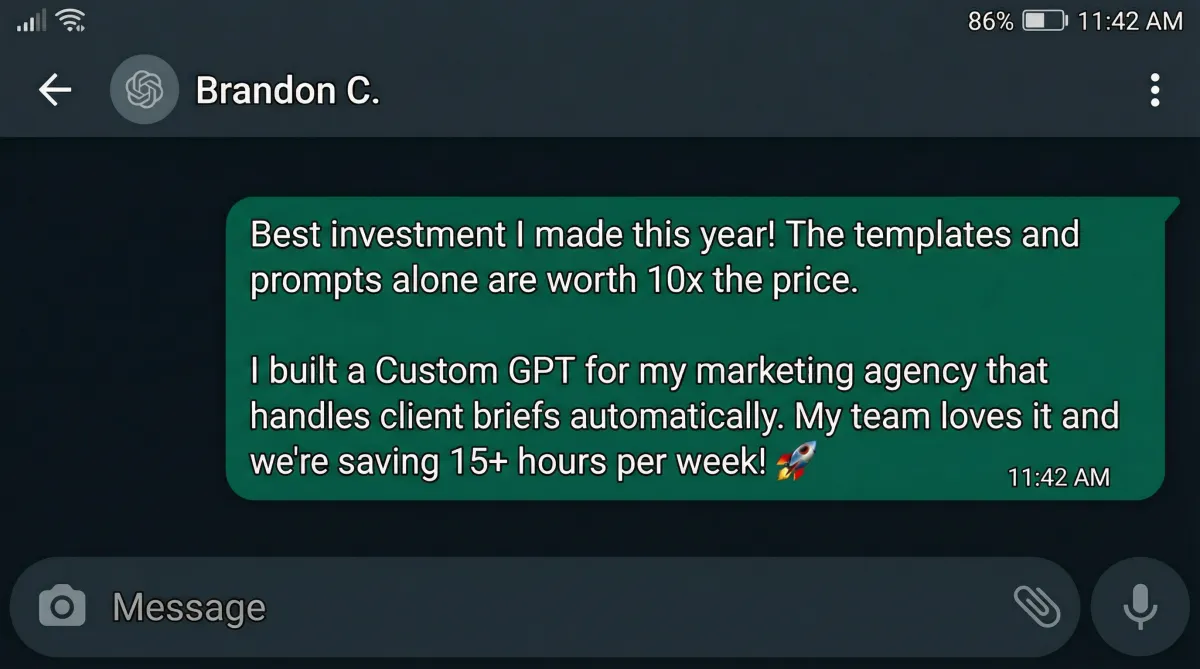
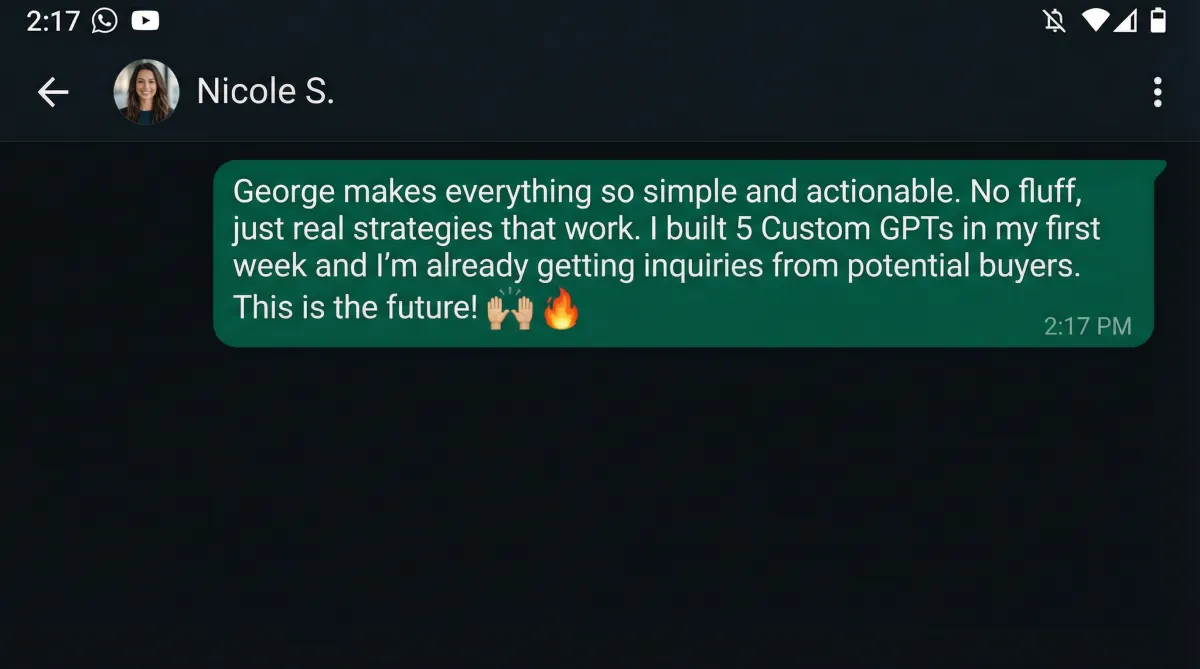
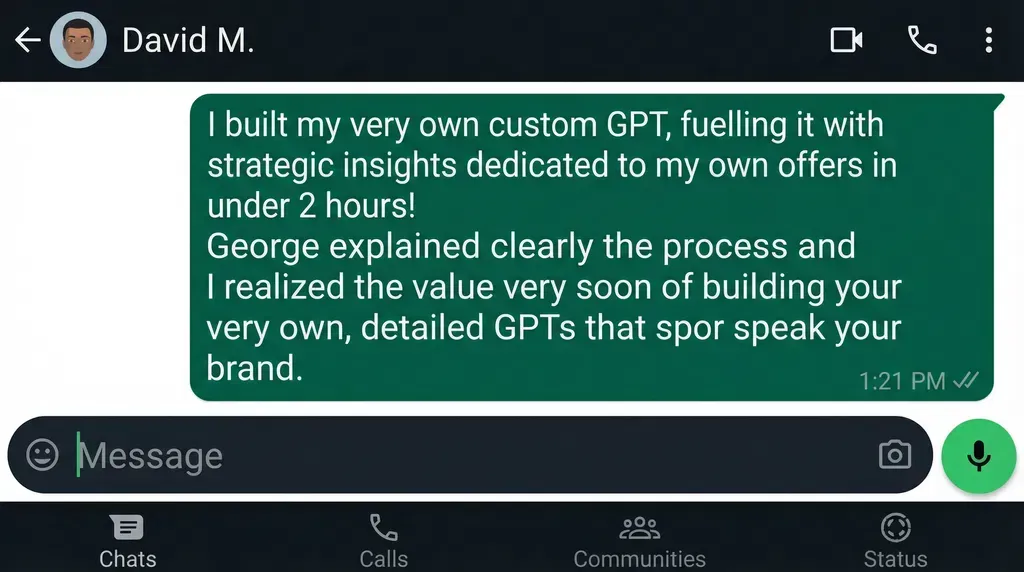
Results From Students
Here's what breaks:
You build a Custom GPT.
You tell it exactly what to do.
You test it. It works.
Then someone else uses it.
They ask a question you didn't anticipate.
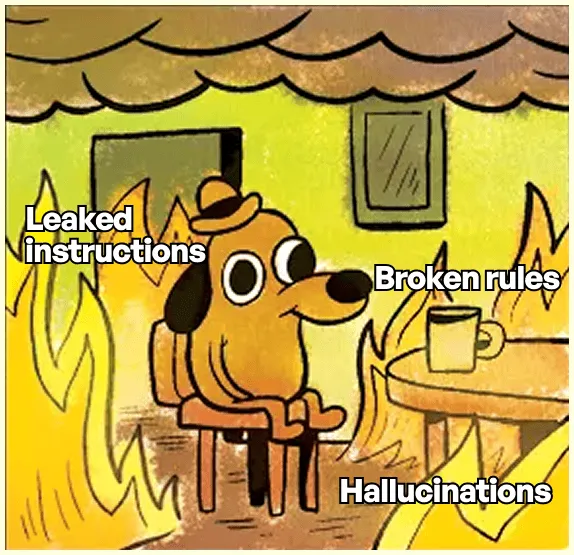
The GPT hallucinates.
Ignores your tone rules.
References information you never gave it.
Reveals its own system instructions when someone asks nicely.
You think you made a mistake.
Well, You didn't.
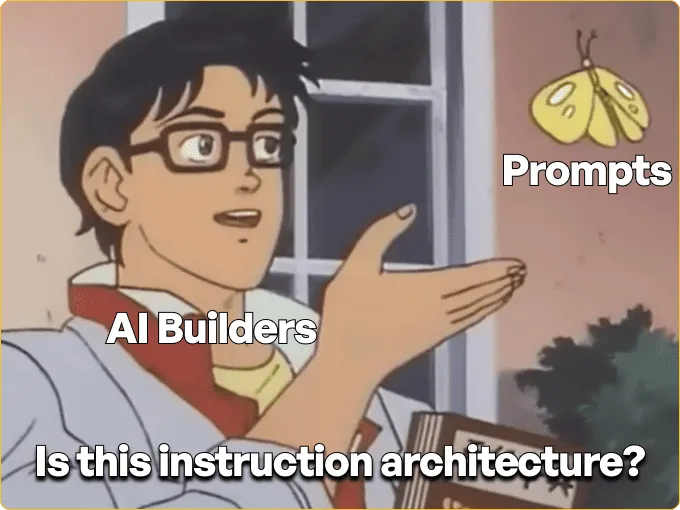
You just built a GPT with prompts instead of instructions.
Prompts tell an AI what you want.
Instructions define what the AI is allowed to do.
Prompts are requests.
Instructions are constraints.
A prompt says: "Write a friendly email."
An instruction says: "You are a customer support agent. You answer questions about refund policy. You do not provide technical support. If asked about billing, you escalate to a human. You never reference internal processes. You respond in 2–3 sentences maximum."
One is a request.
The other is architecture.
And here's what costs people money:
Prompts work in ideal conditions.
Instructions work in edge cases.
Businesses don't pay for ideal conditions.
They pay for edge case reliability.
Your GPT doesn't follow rules because it was never given rules.
It was given goals.
Those aren't constraints.
Those are suggestions.
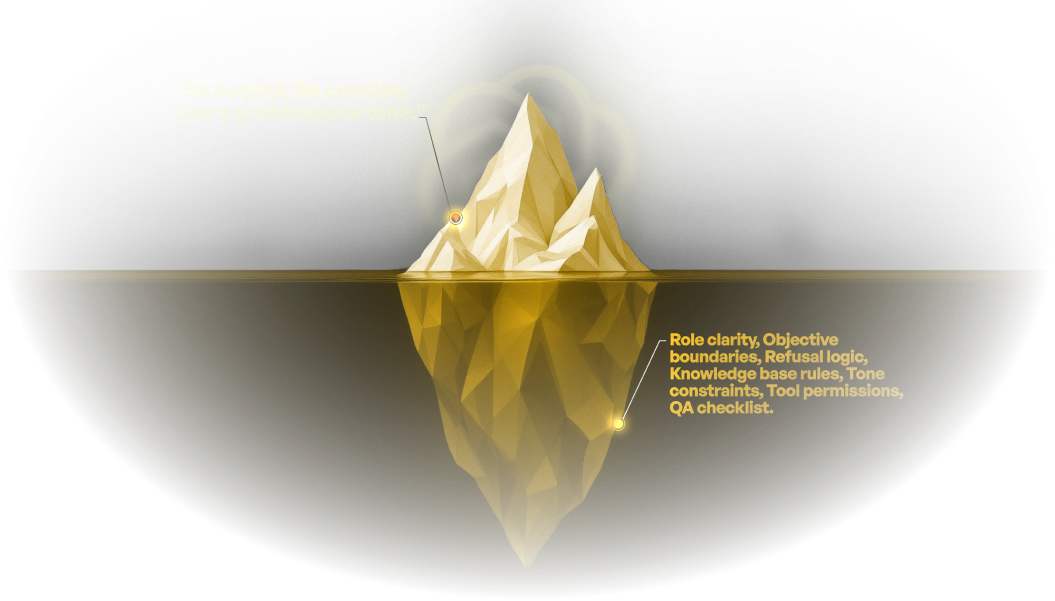
A reliable GPT needs:

Role clarity:
What is it? What is it not?

Objective boundaries:
What problems does it solve? What problems does it refuse?

Refusal logic:
What questions does it not answer?

Knowledge base rules:
When does it reference your files? When does it admit it doesn't know?

Tone constraints:
Not "be professional." Specific syntax rules.

Tool permissions:
What can it execute? What requires confirmation?

A Q&A checklist:
How do you test if it actually works?
You've tried YouTube tutorials that never mention guardrails.
Prompt packs that can't handle refusal scenarios.
Copy-pasted system prompts from Reddit that break when you test them.
Here's why none of it worked:

Better prompts
don't fix structural problems.

More examples
don't teach the AI when to refuse.

Longer
instructions don't create constraints.

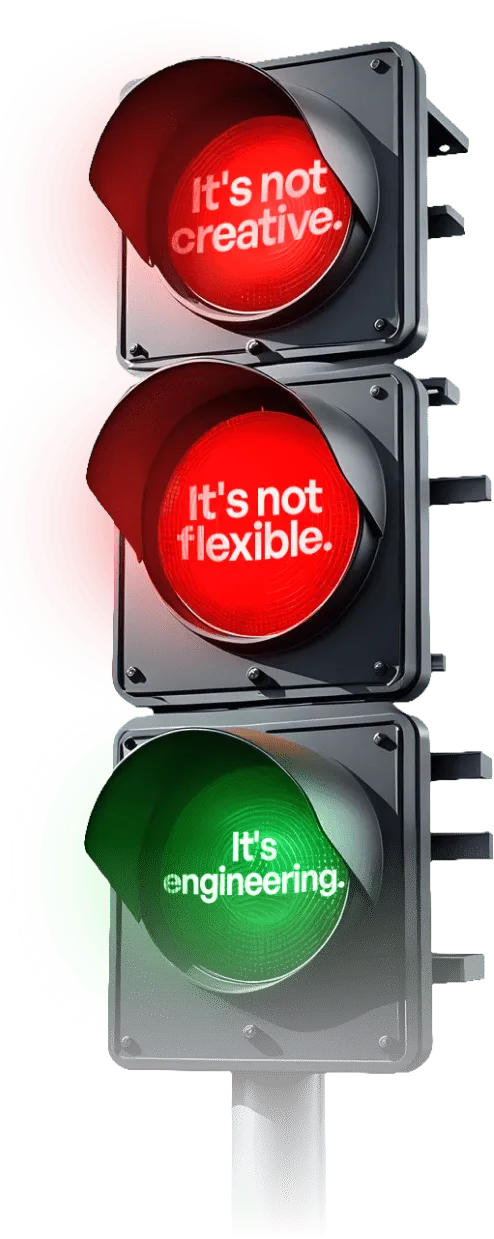
You need instruction architecture, not prompt engineering.
Every reliable GPT is built the same way.
Eight components.
No exceptions.
Role Definition
What the GPT is. What it is not.
Objective Scope
What problems it solves. What problems it ignores.
Refusal Rules
What questions it does not answer. How it says no.
Behavioral Constraints
How it responds. What it never does.
Knowledge Base Logic
When it references your files. When it says "I don't know."
Tool Permissions
What can it execute. What requires confirmation.
Style Guardrails
Syntax rules. Tone boundaries. Length constraints.
Q&A Checklist
How you test edge cases before you deploy.
This is the System Instruction Blueprint.
You could learn this manually.
Spend months writing instructions.
Testing edge cases.
Breaking your GPTs to find gaps.
Patching refusal logic.
Or you could use the tool that applies the framework for you.
The Instruction Builder GPT.
You describe your use case.
It outputs the full 8-part instruction architecture.
Role definition. Constraints. Refusal rules. Knowledge base logic. QA checklist.
You copy. You paste. You test. You deploy.
It doesn't think for you.
It applies the framework.
The framework is the asset.
The GPT is the executor.
Six months ago, businesses hired "AI consultants" who sold prompt libraries.
They paid $5k for copy-pasted ChatGPT outputs.
They tolerated inconsistency because "AI is new."

That window is shut.
Businesses now require:
Guardrails that prevent hallucinations.
Refusal logic that protects company policy.
Knowledge base integration that doesn't break.
Systems that pass legal and compliance review.
They're not paying for prompts anymore.
They're paying for instruction architecture.
Most people building GPTs still don't know the difference.
That's your advantage. - But only if you move now.
Right now, this is rare. In six months, it won't be.
So here are some examples of what this unlocks:

Support GPT
Handles FAQs. Escalates complex cases. Never hallucinates policy. Works because of refusal logic and knowledge base constraints—not better prompts. $1,500–$3,000 per build.

Sales Enablement GPT
Answers objections. References product specs. Refuses to discuss pricing without context. Works because of scope boundaries and tool permissions. $2,000–$4,000 per build.

Content Operations GPT
Writes in brand voice. References style guides. Refuses to publish without approval. Works because of style guardrails and QA validation. $1,500–$4,000 per build.

SOP GPT
Walks employees through processes. References internal docs. Refuses to guess. Works because of knowledge base rules and constraint architecture. $2,500–$5,000 per build.

Lead Gen GPT
Qualifies inbound. Asks disqualifying questions. Routes to the right person. Works because of refusal rules and objective boundaries. $1,000–$2,500 per build.
I'm George Karafotis.
Co-founder of Silver Spoon Agency and Herculeads AI.
Top Agency of the Year, NY Digital Awards 2025.
$50M+ in ad spend managed. $450M generated for clients.
Second-phase beta tester for ChatGPT and Jasper AI.
I've built and deployed over 200 Custom GPTs.
Not demo projects.
Actual production systems running in businesses right now.
Support bots handling thousands of tickets.
Sales enablement tools accelerating deal cycles.
Content engines maintaining brand voice at scale.
I've saved clients over $2M in repetitive operational tasks by building GPTs with correct instruction architecture.
The Instruction Builder GPT you're getting is the same system I use internally.
I built it because writing instruction architecture from scratch every time was inefficient.
Now it applies the 8-part framework in minutes instead of hours.
You're getting the same tool.

You have two options.

Go back to YouTube. Keep collecting prompts. Keep building GPTs that work in demos and break in production. Keep wondering why businesses won't pay for your builds.

Learn instruction architecture. Use the Instruction Builder GPT to apply the 8-part framework. Build reliable GPT systems with refusal logic and guardrails. Package the skill into an offer businesses pay monthly for.
The difference:
Prompts are disposable.
Instructions are infrastructure.
One is a commodity.
The other is intellectual property.
The skill that separates amateur GPT builds from deployed systems businesses pay for is instruction architecture.
You're 30 minutes away from learning it.
Elite CustomGPT Accelerator
The instruction architecture training that takes you from "I use AI" to "I build reliable GPT systems businesses pay for."
HERE'S WHAT YOU GET WHEN YOU ENROLL:
THE CORE TRAINING
Value: $999
Elite CustomGPT Accelerator (Core Course)
The 3-stage system: Build it correctly. Lock in quality. Productize and sell. Role definition, refusal rules, knowledge file selection, QA across 10 scenarios, formatting that holds tone, and two ready-to-deploy offers.
Value: $999
AI Instruction Builder GPT (Full Access)
The same tool George uses internally. Generates complete instruction architecture based on your use case. You describe the GPT. It outputs the framework. You copy, paste, test, deploy.

Module 1: Orientation to Custom GPTs
Lesson 1.1 What a Custom GPT is and why it wins
Lesson 1.2 Projects vs Custom GPTs
Module 2: Your First Custom GPT
Lesson 2.1 Access and skeleton setup
Lesson 2.2 Core instructions and persona
Lesson 2.3 Knowledge files and example Q&A


Module 3: Best Practices
Lesson 3.1 Prompt engineering essentials
Module 4: Clone Your Brain 2.0
Lesson 4.1 Forge the Brain: Persona + Scope + Rules of Engagement
Lesson 4.2 Wire the Knowledge & Voice of Your Custom GPT


Module 5: Your First Complete Custom GPT
Lesson 5.1 Build & Ship Your First Custom GPT
Module 6: CustomGPT-as-a-Service
Lesson 6.1 Service Menu & Positioning
Lesson 6.2 Pricing Stack & Packaging


Module 7: Lifetime Custom GPT: Build, Share, Sell
Lesson 7.1 Define the Lifetime Offer & License
Lesson 7.2 Publish & Share via Link
Lesson 7.3 Landing Page, Checkout & Delivery (Lifetime SKU)
Lesson 7.4 Automations: Instant Fulfillment in GHL
Module 7: Instruction Builder GPT (your secret advantage)
Get the AI tool that creates Custom GPTs!
You write what Custom GPT you want to create and it gives you exactly the System Instructions to copy-paste,
without guessing, and without spending 10+ hours for each one.
THE "ARCHITECT" BONUSES

Bonus 1
Value: $199
Build & Quality Pack
Projects vs Custom GPT Flowchart
Name and Description Pack
7 Block System Prompt Template
Paste-Ready System Instructions &
Rules
Knowledge Selection Checklist
Dialogue Style Pack
Prompt Rewriting Sheet
QA 10 Scenarios Kit.
Bonus 2
Value: $297
Sell & Deliver Pack
Service Menu One Pager with 2 packages
Two Tier Pricing Sheet with upgrade credit
Lifetime SKU and License Pack
Sales Assets for LP, Checkout, Thank You, Welcome email with first 3 prompts and Mini FAQ
GoHighLevel Automations Blueprint.
Bonus 3
Value: $97
300 Pro Workflows Prompt Pack for ChatGPT
A complete vault of 300 practical prompts organized by department and role: Sales, Customer Success, Product, Management, Engineering, HR, IT, Managers, Executives, Operations, Marketing, Video Content and Trends, Data and Analytics, Legal and Compliance, ready to use.
THE VALUE STACK
Total Real-World Value
$2,595
Regular Enrollment Price
$999
YOUR PRICE TODAY
$147
Note: $147 is a subsidized entry price. I'm looking for the next 100 "Architects" to dominate this market and provide the next round of case studies before the window shuts. I want your results, not your $999.
More Results From Students
© Copyright 2026. All rights reserved.
NOT FACEBOOK: This site is not a part of the Facebook website or Facebook Inc. Additionally,
This site is NOT endorsed by Facebook in any way. FACEBOOK is a trademark of FACEBOOK, Inc.
Privacy Policy Terms & Conditions